Buy digital-lab.eu ?
We are moving the project
digital-lab.eu .
Are you interested in purchasing the domain
digital-lab.eu ?
domain@kv-gmbh.de · 0541-91531010
Buy digital-lab.eu ?
How is efficiency related to thermal energy?
Efficiency is related to thermal energy in the context of energy conversion processes. In many systems, thermal energy is used to produce work or electricity. The efficiency of these systems is a measure of how much of the thermal energy input is converted into useful work or electricity. Higher efficiency means that more of the thermal energy is being effectively utilized, while lower efficiency indicates that more of the thermal energy is being wasted as heat. **
How do I make a thermal transfer receipt visible again?
To make a thermal transfer receipt visible again, you can try applying heat to the paper. You can use a hairdryer on a low setting or a heat gun to gently warm the paper and reactivate the thermal ink. Be careful not to apply too much heat, as this can damage the paper. If the receipt is still not visible after applying heat, you may need to consider other methods such as using a thermal printer to reprint the receipt. **

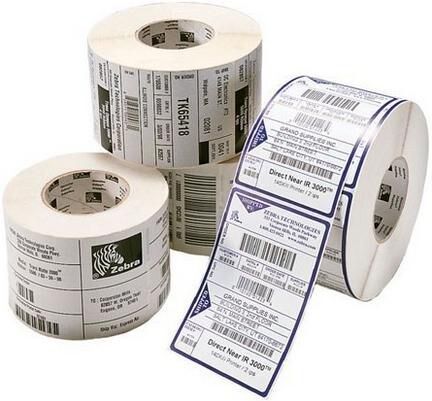
Similar search terms for TSC-TE210-Thermal-Transfer
Top-Angebote
Products related to TSC-TE210-Thermal-Transfer:
-
TSC DA210 Desktop Direct Thermal Label Printer - 4.25 inch, 203 dpi, USB 2.0 - BlackDescription The TSC DA210 Direct Thermal Desktop Printer is an easy-to-use, lightweight printer designed for cost-effective direct thermal printing. It is ideal for small offices, home offices, parcel shipping, warehouses, retail, healthcare, and hospitality applications where receipts or direct thermal labels are required. The DA210 combines affordability with reliability, offering essential features for basic label printing needs using a USB 2.0 interface. This printer boasts a user-friendly double-wall clamshell design that allows for easy loading, along with a large 5-inch outer diameter media bay. It supports quick printing of crisp barcodes, graphics, and text at speeds of up to 6 inches per second. With TSPL-EZD firmware, the DA210 emulates most popular printer languages out of the box, ensuring versatility for various printing tasks. An essential addition for any business needing reliable label printing solutions.187,49 £*Shipping: 0,00 £Secure redirect to the provider
-
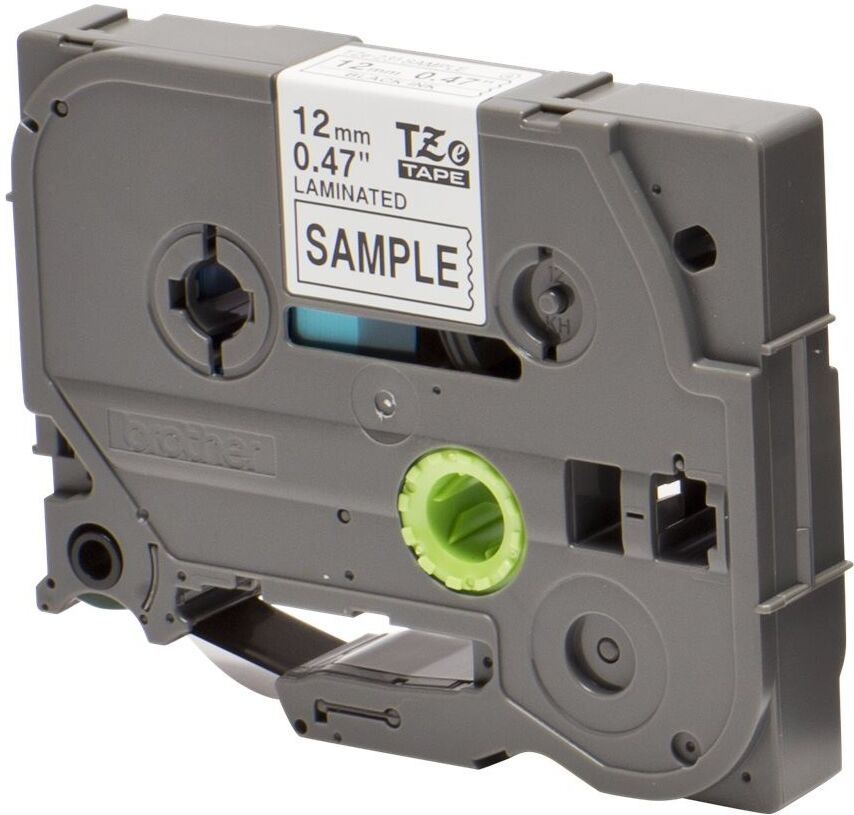
Brother P-Touch PT-D610BTVP - labelmaker - B/W - thermal transferBrother P-Touch PT-D610BTVP - Labelmaker - B/W - thermal transfer - 24 mm width - up to 30 mm/sec - USB, Bluetooth 5.0 - cutter - mirror print, vertical print, 7 line printing - black159,99 £*Shipping: 0,00 £Secure redirect to the provider


-
How is the efficiency related to thermal energy?
Efficiency is related to thermal energy in the context of energy conversion processes. The efficiency of a system or process is a measure of how much useful work or energy output is obtained compared to the total energy input. In the context of thermal energy, the efficiency of a system such as a power plant or an engine is a measure of how effectively it can convert thermal energy into useful work. Higher efficiency means that a greater proportion of the thermal energy input is being converted into useful work, while lower efficiency means that more of the thermal energy is being wasted as heat. Therefore, the relationship between efficiency and thermal energy is crucial in determining the overall performance and effectiveness of energy conversion processes. **
-
What efficiency does a thermal power plant have?
A thermal power plant typically has an efficiency ranging from 30% to 40%. This means that only 30-40% of the energy from the fuel is converted into electricity, while the rest is lost as waste heat. Improving the efficiency of thermal power plants is a key focus for reducing greenhouse gas emissions and increasing energy sustainability. Various technologies and strategies, such as combined heat and power systems, can help increase the efficiency of thermal power plants. **
-
What is the efficiency of a thermal power plant?
The efficiency of a thermal power plant refers to the ratio of the electrical energy output to the heat energy input. It is a measure of how effectively the plant converts heat energy into electrical energy. A higher efficiency means that the plant is able to generate more electricity with the same amount of fuel, resulting in lower fuel consumption and reduced environmental impact. Improving the efficiency of thermal power plants is an important goal for reducing greenhouse gas emissions and increasing energy sustainability. **
-
How do you calculate the efficiency of thermal energy?
The efficiency of thermal energy can be calculated by dividing the useful output of energy (such as work or electricity) by the total input of energy. This can be expressed as a percentage by multiplying the result by 100. For example, if a power plant converts 40% of the thermal energy from burning coal into electricity, the efficiency of thermal energy conversion would be 40%. This calculation helps to assess how effectively thermal energy is being converted into useful forms of energy. **


How does the thermal transfer resistance for heat transfer between the component surface and air change with increasing wind speed?
As wind speed increases, the thermal transfer resistance for heat transfer between the component surface and air decreases. This is because the higher wind speed increases the convective heat transfer coefficient, which in turn reduces the thermal resistance. The increased air movement helps to carry heat away from the component surface more effectively, resulting in improved heat dissipation. Therefore, higher wind speeds can enhance the overall thermal performance of the system by promoting better heat transfer between the component and the surrounding air. **
Can MediaMarkt transfer data?
Yes, MediaMarkt can transfer data. As a retailer of electronic products and technology, MediaMarkt likely has the capability to transfer data through various means such as online transactions, customer databases, and other digital platforms. Additionally, MediaMarkt may also offer data transfer services through the products and services it sells, such as external hard drives, USB drives, and cloud storage solutions. Overall, MediaMarkt has the infrastructure and resources to facilitate data transfer for its customers and within its own operations. **
Top-Angebote
Products related to TSC-TE210-Thermal-Transfer:
-
TSC TE210 Thermal Transfer Label Printer, 203 dpi, USB, Ethernet, RS-232The TSC TE210 is a compact desktop label printer that prints by direct thermal or thermal transfer at 203 dpi. It connects by USB 2.0, Ethernet and RS-232, has a USB host port and real-time clock, and is ready for an optional peeler or cutter.301,99 £*Shipping: 0,00 £Secure redirect to the provider
-
TSC DA210 Desktop Direct Thermal Label Printer - 4.25 inch, 203 dpi, USB 2.0 - BlackDescription The TSC DA210 Direct Thermal Desktop Printer is an easy-to-use, lightweight printer designed for cost-effective direct thermal printing. It is ideal for small offices, home offices, parcel shipping, warehouses, retail, healthcare, and hospitality applications where receipts or direct thermal labels are required. The DA210 combines affordability with reliability, offering essential features for basic label printing needs using a USB 2.0 interface. This printer boasts a user-friendly double-wall clamshell design that allows for easy loading, along with a large 5-inch outer diameter media bay. It supports quick printing of crisp barcodes, graphics, and text at speeds of up to 6 inches per second. With TSPL-EZD firmware, the DA210 emulates most popular printer languages out of the box, ensuring versatility for various printing tasks. An essential addition for any business needing reliable label printing solutions.187,49 £*Shipping: 0,00 £Secure redirect to the provider
-
Brother P-Touch PT-D610BTVP - labelmaker - B/W - thermal transferBrother P-Touch PT-D610BTVP - Labelmaker - B/W - thermal transfer - 24 mm width - up to 30 mm/sec - USB, Bluetooth 5.0 - cutter - mirror print, vertical print, 7 line printing - black159,99 £*Shipping: 0,00 £Secure redirect to the provider
-
How is efficiency related to thermal energy?
Efficiency is related to thermal energy in the context of energy conversion processes. In many systems, thermal energy is used to produce work or electricity. The efficiency of these systems is a measure of how much of the thermal energy input is converted into useful work or electricity. Higher efficiency means that more of the thermal energy is being effectively utilized, while lower efficiency indicates that more of the thermal energy is being wasted as heat. **
-
How do I make a thermal transfer receipt visible again?
To make a thermal transfer receipt visible again, you can try applying heat to the paper. You can use a hairdryer on a low setting or a heat gun to gently warm the paper and reactivate the thermal ink. Be careful not to apply too much heat, as this can damage the paper. If the receipt is still not visible after applying heat, you may need to consider other methods such as using a thermal printer to reprint the receipt. **
-
How is the efficiency related to thermal energy?
Efficiency is related to thermal energy in the context of energy conversion processes. The efficiency of a system or process is a measure of how much useful work or energy output is obtained compared to the total energy input. In the context of thermal energy, the efficiency of a system such as a power plant or an engine is a measure of how effectively it can convert thermal energy into useful work. Higher efficiency means that a greater proportion of the thermal energy input is being converted into useful work, while lower efficiency means that more of the thermal energy is being wasted as heat. Therefore, the relationship between efficiency and thermal energy is crucial in determining the overall performance and effectiveness of energy conversion processes. **
-
What efficiency does a thermal power plant have?
A thermal power plant typically has an efficiency ranging from 30% to 40%. This means that only 30-40% of the energy from the fuel is converted into electricity, while the rest is lost as waste heat. Improving the efficiency of thermal power plants is a key focus for reducing greenhouse gas emissions and increasing energy sustainability. Various technologies and strategies, such as combined heat and power systems, can help increase the efficiency of thermal power plants. **
Similar search terms for TSC-TE210-Thermal-Transfer
-
Zebra 3400 Wax/Resin Thermal Transfer Ribbon 60mm x 450m - BlackThis high-performance wax/resin ribbon produces excellent print quality on coated paper and matte synthetic materials. This ink formulation produces durable images for bar codes and types of all types and sizes. A great value! Zebra 3400 Wax/Resin - Black - 60 mm x 450 m - print ink ribbon refill (thermal transfer) - for PAX 110; S Series 105, 160; Xi Series 110, 140, 170, 90, 96; Z Series Z4Mplus, Z6Mplus89,49 £*Shipping: 0,00 £Secure redirect to the provider
-
What is the efficiency of a thermal power plant?
The efficiency of a thermal power plant refers to the ratio of the electrical energy output to the heat energy input. It is a measure of how effectively the plant converts heat energy into electrical energy. A higher efficiency means that the plant is able to generate more electricity with the same amount of fuel, resulting in lower fuel consumption and reduced environmental impact. Improving the efficiency of thermal power plants is an important goal for reducing greenhouse gas emissions and increasing energy sustainability. **
-
How do you calculate the efficiency of thermal energy?
The efficiency of thermal energy can be calculated by dividing the useful output of energy (such as work or electricity) by the total input of energy. This can be expressed as a percentage by multiplying the result by 100. For example, if a power plant converts 40% of the thermal energy from burning coal into electricity, the efficiency of thermal energy conversion would be 40%. This calculation helps to assess how effectively thermal energy is being converted into useful forms of energy. **
-
How does the thermal transfer resistance for heat transfer between the component surface and air change with increasing wind speed?
As wind speed increases, the thermal transfer resistance for heat transfer between the component surface and air decreases. This is because the higher wind speed increases the convective heat transfer coefficient, which in turn reduces the thermal resistance. The increased air movement helps to carry heat away from the component surface more effectively, resulting in improved heat dissipation. Therefore, higher wind speeds can enhance the overall thermal performance of the system by promoting better heat transfer between the component and the surrounding air. **
-
Can MediaMarkt transfer data?
Yes, MediaMarkt can transfer data. As a retailer of electronic products and technology, MediaMarkt likely has the capability to transfer data through various means such as online transactions, customer databases, and other digital platforms. Additionally, MediaMarkt may also offer data transfer services through the products and services it sells, such as external hard drives, USB drives, and cloud storage solutions. Overall, MediaMarkt has the infrastructure and resources to facilitate data transfer for its customers and within its own operations. **
* All prices are inclusive of VAT and, if applicable, plus shipping costs. The offer information is based on the details provided by the respective shop and is updated through automated processes. Real-time updates do not occur, so deviations can occur in individual cases. ** Note: Parts of this content were created by AI.