Buy digital-lab.eu ?
We are moving the project
digital-lab.eu .
Are you interested in purchasing the domain
digital-lab.eu ?
domain@kv-gmbh.de · 0541-91531010
Buy digital-lab.eu ?
How do I attach the support bracket to the B-branch pipe?
To attach the support bracket to the B-branch pipe, first position the bracket so that it is aligned with the pipe and the mounting holes line up. Then, use the appropriate fasteners (such as screws or bolts) to secure the bracket to the pipe. Make sure to tighten the fasteners securely to ensure that the bracket is properly attached and provides the necessary support. Finally, double-check that the bracket is securely attached and can support the weight or load as intended. **
How can one learn to become an electronics technician for industrial engineering or automation technology?
To become an electronics technician for industrial engineering or automation technology, one can start by pursuing a relevant educational program, such as an associate degree in electronics engineering technology or industrial automation. These programs typically cover topics such as electrical circuits, industrial control systems, and automation technologies. Additionally, gaining hands-on experience through internships or apprenticeships with companies in the industrial engineering or automation field can provide valuable practical skills. Seeking professional certifications, such as those offered by organizations like the International Society of Automation (ISA) or the Electronics Technicians Association (ETA), can also demonstrate expertise and knowledge in the field. Finally, staying updated with the latest advancements in industrial engineering and automation technology through continuous learning and professional development is essential for a successful career in this field. **
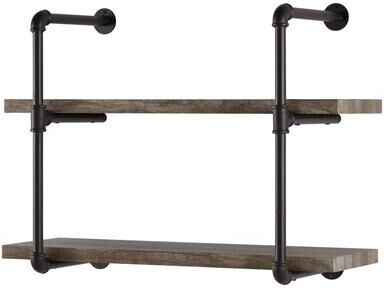

Similar search terms for Danya-B-Industrial-Pipe
Top-Angebote
Products related to Danya-B-Industrial-Pipe:
-
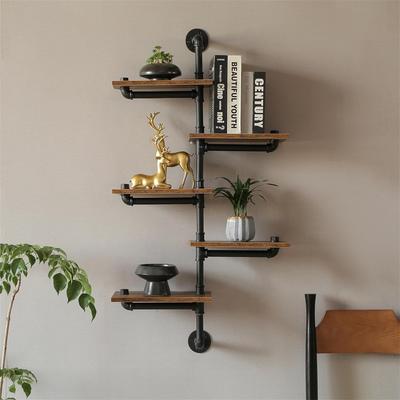
Danya B. 3-Tier Vertical Staggered Industrial Rustic Pipe ShelvesBring an industrial rustic vibe to your decor with this Danya B. three-tier shelf. The three, brown finish shelves are supported by black finish iron pipes that add stability and unique character to the design.89,99 $*Shipping: 0,00 $Secure redirect to the provider
-
Danya B. 24 x 7 Pipe Industrial Rustic Wall Mount Shelf"With a unique appeal and chic industrial flair, the ebony Danya B. 24"" X 7"" Floating Pipe Industrial Rustic Wall Shelf is a fantastic way to display photos and trinkets you've collected along the way."40,49 $*Shipping: 0,00 $Secure redirect to the provider


-
What wind speed does a high-performance industrial vacuum achieve in the suction pipe?
A high-performance industrial vacuum can achieve wind speeds of up to 200 miles per hour in the suction pipe. This high wind speed allows the vacuum to effectively and efficiently remove a wide range of materials, including dust, debris, and liquids, from industrial surfaces and equipment. The powerful suction created by the high wind speed enables the vacuum to quickly clean large areas and handle tough cleaning tasks in industrial settings. **
-
What is the job title for someone who works as an electronics technician for industrial or automation technology?
The job title for someone who works as an electronics technician for industrial or automation technology is typically referred to as an "Industrial Electronics Technician" or "Automation Technician." These professionals are responsible for installing, maintaining, and repairing electronic equipment used in industrial settings, such as manufacturing plants or automated systems. They play a crucial role in ensuring that machinery and systems operate efficiently and safely. **
-
What is the difference between an electronics technician for industrial engineering and an electronics technician for automation technology?
An electronics technician for industrial engineering typically focuses on maintaining and repairing electronic systems used in various industries, such as manufacturing plants or power plants. They are responsible for ensuring that electronic equipment operates efficiently and safely within an industrial setting. On the other hand, an electronics technician for automation technology specializes in designing, installing, and maintaining automated systems that control machinery and processes. They work with programmable logic controllers (PLCs) and other advanced technologies to optimize production processes and increase efficiency in industrial automation. **
-
How does one switch from an electronics technician for industrial engineering to an electronics technician for automation technology?
To switch from being an electronics technician for industrial engineering to automation technology, one can start by gaining knowledge and skills specific to automation technology through courses, workshops, or certifications. It is important to familiarize oneself with automation systems, PLC programming, robotics, and other relevant technologies. Networking with professionals in the automation industry and seeking opportunities for hands-on experience in automation projects can also be beneficial. Updating one's resume and highlighting any relevant experience or skills related to automation technology will help in transitioning to a new role as an electronics technician for automation technology. **


How do you switch from an electronics technician for industrial engineering to an electronics technician for automation technology?
To switch from being an electronics technician for industrial engineering to automation technology, you may need to acquire additional training or certifications specific to automation technology. This could involve taking courses or workshops focused on automation systems, programmable logic controllers (PLCs), robotics, and other relevant technologies. It would also be beneficial to gain practical experience in automation technology through internships or on-the-job training. Networking with professionals in the automation technology field and seeking out job opportunities that align with your new career focus can also help facilitate the transition. **
How can one switch from an electronics technician for industrial engineering to an electronics technician for automation technology?
To switch from being an electronics technician for industrial engineering to automation technology, one can start by gaining knowledge and skills specific to automation technology through courses or training programs. It is important to familiarize oneself with automation systems, PLC programming, and control systems. Additionally, gaining hands-on experience in automation technology through internships or on-the-job training can be beneficial. Networking with professionals in the automation technology field and seeking mentorship can also help in making a successful transition. **
Top-Angebote
Products related to Danya-B-Industrial-Pipe:
-
Danya B. 3-Tier Vertical Staggered Industrial Rustic Pipe ShelvesBring an industrial rustic vibe to your decor with this Danya B. three-tier shelf. The three, brown finish shelves are supported by black finish iron pipes that add stability and unique character to the design.89,99 $*Shipping: 0,00 $Secure redirect to the provider
-
Danya B. 24 x 7 Pipe Industrial Rustic Wall Mount Shelf"With a unique appeal and chic industrial flair, the ebony Danya B. 24"" X 7"" Floating Pipe Industrial Rustic Wall Shelf is a fantastic way to display photos and trinkets you've collected along the way."40,49 $*Shipping: 0,00 $Secure redirect to the provider
-
How do I attach the support bracket to the B-branch pipe?
To attach the support bracket to the B-branch pipe, first position the bracket so that it is aligned with the pipe and the mounting holes line up. Then, use the appropriate fasteners (such as screws or bolts) to secure the bracket to the pipe. Make sure to tighten the fasteners securely to ensure that the bracket is properly attached and provides the necessary support. Finally, double-check that the bracket is securely attached and can support the weight or load as intended. **
-
How can one learn to become an electronics technician for industrial engineering or automation technology?
To become an electronics technician for industrial engineering or automation technology, one can start by pursuing a relevant educational program, such as an associate degree in electronics engineering technology or industrial automation. These programs typically cover topics such as electrical circuits, industrial control systems, and automation technologies. Additionally, gaining hands-on experience through internships or apprenticeships with companies in the industrial engineering or automation field can provide valuable practical skills. Seeking professional certifications, such as those offered by organizations like the International Society of Automation (ISA) or the Electronics Technicians Association (ETA), can also demonstrate expertise and knowledge in the field. Finally, staying updated with the latest advancements in industrial engineering and automation technology through continuous learning and professional development is essential for a successful career in this field. **
-
What wind speed does a high-performance industrial vacuum achieve in the suction pipe?
A high-performance industrial vacuum can achieve wind speeds of up to 200 miles per hour in the suction pipe. This high wind speed allows the vacuum to effectively and efficiently remove a wide range of materials, including dust, debris, and liquids, from industrial surfaces and equipment. The powerful suction created by the high wind speed enables the vacuum to quickly clean large areas and handle tough cleaning tasks in industrial settings. **
-
What is the job title for someone who works as an electronics technician for industrial or automation technology?
The job title for someone who works as an electronics technician for industrial or automation technology is typically referred to as an "Industrial Electronics Technician" or "Automation Technician." These professionals are responsible for installing, maintaining, and repairing electronic equipment used in industrial settings, such as manufacturing plants or automated systems. They play a crucial role in ensuring that machinery and systems operate efficiently and safely. **
Similar search terms for Danya-B-Industrial-Pipe
-
No Industrial Pipe Clothing RackSTRONG AND DURABLE: Made of black gold, strong malleable iron, this retro clothes rack is extremely durable and long-lasting. It can hold a large number of clothes and keeps your garments and accessories organized and tidy.322,99 $*Shipping: 0,00 $Secure redirect to the provider
-
Danya B. 24 x 7 Pipe Industrial Rustic Wall Mount Shelf"With a unique appeal and chic industrial flair, the ebony Danya B. 24"" X 7"" Floating Pipe Industrial Rustic Wall Shelf is a fantastic way to display photos and trinkets you've collected along the way."51,49 $*Shipping: 0,00 $Secure redirect to the provider
-
What is the difference between an electronics technician for industrial engineering and an electronics technician for automation technology?
An electronics technician for industrial engineering typically focuses on maintaining and repairing electronic systems used in various industries, such as manufacturing plants or power plants. They are responsible for ensuring that electronic equipment operates efficiently and safely within an industrial setting. On the other hand, an electronics technician for automation technology specializes in designing, installing, and maintaining automated systems that control machinery and processes. They work with programmable logic controllers (PLCs) and other advanced technologies to optimize production processes and increase efficiency in industrial automation. **
-
How does one switch from an electronics technician for industrial engineering to an electronics technician for automation technology?
To switch from being an electronics technician for industrial engineering to automation technology, one can start by gaining knowledge and skills specific to automation technology through courses, workshops, or certifications. It is important to familiarize oneself with automation systems, PLC programming, robotics, and other relevant technologies. Networking with professionals in the automation industry and seeking opportunities for hands-on experience in automation projects can also be beneficial. Updating one's resume and highlighting any relevant experience or skills related to automation technology will help in transitioning to a new role as an electronics technician for automation technology. **
-
How do you switch from an electronics technician for industrial engineering to an electronics technician for automation technology?
To switch from being an electronics technician for industrial engineering to automation technology, you may need to acquire additional training or certifications specific to automation technology. This could involve taking courses or workshops focused on automation systems, programmable logic controllers (PLCs), robotics, and other relevant technologies. It would also be beneficial to gain practical experience in automation technology through internships or on-the-job training. Networking with professionals in the automation technology field and seeking out job opportunities that align with your new career focus can also help facilitate the transition. **
-
How can one switch from an electronics technician for industrial engineering to an electronics technician for automation technology?
To switch from being an electronics technician for industrial engineering to automation technology, one can start by gaining knowledge and skills specific to automation technology through courses or training programs. It is important to familiarize oneself with automation systems, PLC programming, and control systems. Additionally, gaining hands-on experience in automation technology through internships or on-the-job training can be beneficial. Networking with professionals in the automation technology field and seeking mentorship can also help in making a successful transition. **
* All prices are inclusive of VAT and, if applicable, plus shipping costs. The offer information is based on the details provided by the respective shop and is updated through automated processes. Real-time updates do not occur, so deviations can occur in individual cases. ** Note: Parts of this content were created by AI.